Key Takeaways
- A cath lab nurse is a registered nurse who prepares, monitors, and cares for patients during procedures in the cardiac catheterization laboratory, a specialized unit for diagnosing and treating heart and vascular conditions.
- A typical day for a cath lab nurse includes reviewing the case schedule, preparing procedure rooms, assessing patients, monitoring vital signs and administering medications during procedures, documenting care, and handing patients off for recovery.
- Cath lab nursing differs from traditional bedside nursing. Instead of managing a full patient assignment, nurses focus on one procedure and one patient at a time as part of a small, tightly coordinated team.
- Many cath lab nurses participate in on-call schedules for urgent and emergency cardiac procedures, and call expectations vary by hospital.
- The core cath lab nurse skills are adaptability, attention to detail, clear communication, teamwork, and a commitment to ongoing learning as cardiovascular technology evolves.
What does a typical day in the cardiac cath lab look like?
The honest answer is that there may not be one.
Some days follow a carefully planned schedule of diagnostic and interventional cardiac procedures. Other days change quickly when an urgent patient needs care. Throughout it all, cath lab nurses work closely with interventional cardiologists, cardiovascular technologists, and other members of the care team in an environment where communication matters.
If you’re looking for a change from traditional bedside nursing, the cath lab might be a great fit. The focus shifts from managing multiple patients over the course of a shift to preparing for procedures, monitoring your patient closely, and working as part of a highly specialized cardiovascular team.
So, what can you expect from a day in the life of a cath lab nurse? Here’s how a shift might unfold.
What Is a Cath Lab Nurse?
A cath lab nurse (also called a cardiac cath lab RN or cardiac catheterization lab nurse) is a registered nurse who works in a hospital’s cardiac catheterization laboratory. The cath lab is where cardiologists perform minimally invasive procedures, such as diagnostic cardiac catheterizations and coronary interventions, to diagnose and treat cardiovascular conditions.
Cath lab nurses support those procedures from start to finish: preparing patients beforehand, monitoring them during the case, managing medications, documenting care, and helping with recovery and transitions of care afterward.
How Does a Cath Lab Nurse Start the Day?
A cath lab nurse’s day starts before the first procedure begins. The team reviews the day’s case schedule, prepares procedure rooms, and makes sure the equipment and supplies needed for each case are ready. Cath lab nurses also review patient information and prepare for the specific needs of each procedure.
Preparation is a major part of the job because once a procedure begins, the team needs to be ready to respond to what is happening in real time. That is one of the things that makes cath lab nursing unique.
There is a high level of coordination behind every case, and everyone in the room has a role to play. Getting to know the people you’re working with matters more than you might think. Your team is who you’ll depend on when things move fast.
How Do Cath Lab Nurses Prepare Patients for a Procedure?
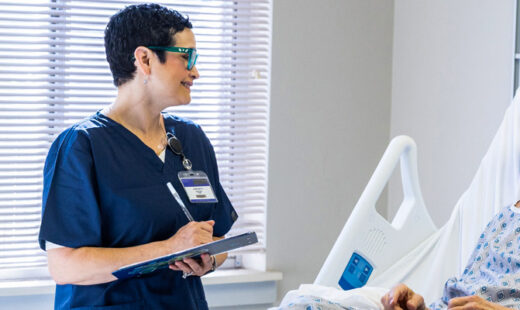
Before a procedure, a cath lab nurse reviews the patient’s history, completes a pre-procedure assessment, checks vital signs, and confirms the patient is ready for the case. Just as important, the nurse helps the patient understand what to expect.
For patients, a cardiac procedure can be stressful. They may have questions about what is about to happen or concerns about what the results could mean for their health.
That’s the human side of pre-procedure care. For many patients, the cath lab nurse is one of the people helping them feel informed and calm before they enter the procedure room.
What Does a Cath Lab Nurse Do During a Procedure?
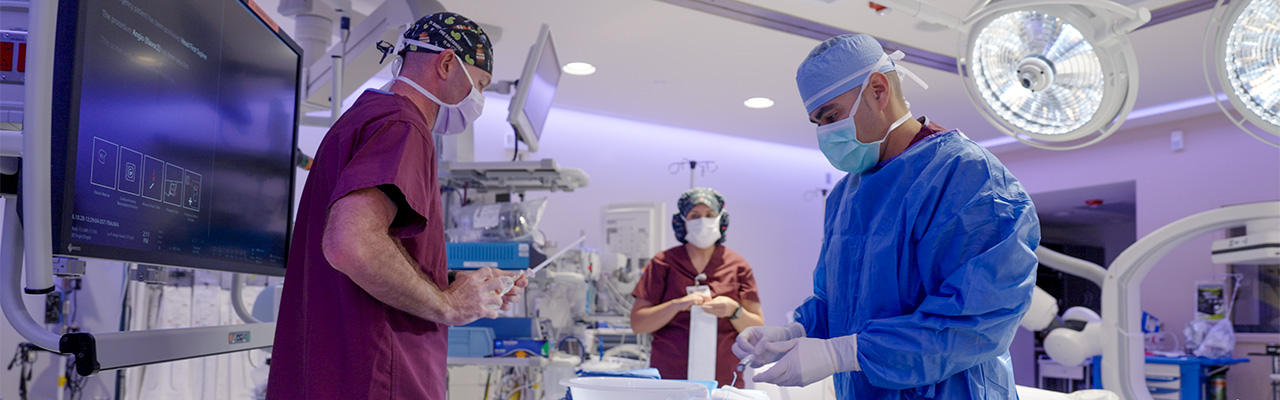
During a procedure, a cath lab nurse monitors the patient’s condition continuously, administers and manages medications, documents the procedure, and assists with supplies and equipment while working alongside the physician and technologist. Once the procedure begins, the environment becomes highly focused.
Cath lab nurse responsibilities can vary by procedure, facility, and training. They typically include:
- Monitoring the patient’s hemodynamic status and condition throughout the procedure
- Administering and managing medications, including sedation as ordered
- Documenting the procedure in real time
- Assisting with supplies and equipment
- Working alongside physicians and technologists to support the procedure
The work requires attention to detail and the ability to stay focused as circumstances change. You also have to think ahead.
In a procedural environment, communication is quick and direct. Team members need to know their responsibilities, recognize changes in the patient’s condition, and respond appropriately. That close coordination is a major part of the day. You’ll become very close with your team, and many cath lab RNs describe their team as a family.
Is Every Day in the Cath Lab the Same?
No. A cath lab schedule may be planned in advance, but health care does not always follow the schedule. A routine case may present an unexpected challenge. An urgent patient may need to be added. A procedure may take longer than anticipated.
That variety is part of what attracts many nurses to procedural specialties. Rather than following the same routine from shift to shift, cath lab nurses work with different patients, conditions, and procedures. The work requires adaptability, but it also creates opportunities to keep learning.
What Happens Between Cath Lab Procedures?
Between procedures, the cath lab team turns over the room, checks and restocks equipment and supplies, completes documentation, and communicates key information about the case before moving on to the next patient.
Depending on the day’s schedule, there may be time between procedures or cases may run back-to-back. Either way, the goal remains the same: make sure the room, equipment, and care team are ready for the next patient.
What Do Cath Lab Nurses Do After a Procedure?
After a procedure, cath lab nurses may monitor the patient’s condition, assess the access site, provide patient education, and communicate with the next members of the care team.
The transition of care is an important part of the process. Clear handoff communication helps ensure the team receiving the patient understands what occurred during the procedure and what needs to happen next. Even in a highly technical environment, patient care remains at the center of the work.
Do Cath Lab Nurses Take Call?
Yes. For most cath lab nurses, on-call shifts are part of the role. Because heart attacks and other cardiac emergencies don’t follow a schedule, most facilities require cath lab nurses to be available for urgent or emergency procedures outside regularly scheduled hours.
What a call looks like varies significantly from one hospital to another.
What Skills Do You Need to Be a Cath Lab Nurse?
Cath lab nurses need strong assessment skills, sound clinical judgment, and the ability to stay focused in a fast-moving environment. They also need to be comfortable learning new procedures, technology, and workflows. Cath lab nursing is specialized work.
The most important cath lab nurse skills include:
- Adaptability: The plan for the day can change. Being able to adjust and reprioritize is essential.
- Attention to Detail: Small details matter in procedural care.
- Communication: Cath lab teams rely on clear, direct communication.
- Teamwork: Procedures involve multiple people working toward the same goal.
Why Do Nurses Choose Cath Lab Nursing?
Nurses are drawn to the cath lab because it combines direct patient care with procedural work and close collaboration with a small team. It’s a different kind of nursing experience.
The most appealing aspects of cath lab nursing can include:
- Variety: Each day can bring different patients, procedures, and clinical situations.
- Specialized skills: The role offers the opportunity to build expertise in cardiovascular care and procedural nursing.
- Team-based care: Nurses work closely with physicians, technologists, and other members of the care team throughout every procedure.
- Direct involvement in patient care: From preparing patients before a procedure to monitoring and supporting them throughout their care, cath lab nurses play an active role in the entire patient experience.
- Continued learning: As cardiovascular technology and procedures evolve, there are ongoing opportunities to develop new knowledge and skills.
The cath lab may also appeal to nurses looking for a different kind of patient care experience than floor nursing. Instead of caring for a full assignment of patients throughout a shift, cath lab nurses are deeply involved in preparing for, supporting, and monitoring individual procedures. The pace can change quickly, and the work requires focus, but it also allows nurses to develop expertise in a highly specialized area of cardiovascular care.
Build Your Cath Lab Nursing Career at Eisenhower Health
We’re growing our Cardiac Service Line by opening three new advanced Cath Labs with state-of-the-art
technology and we’re looking for top RN professionals to join the Eisenhower Health team.
At Eisenhower Health you’ll experience:
- Magnet®-recognized hospital
- Rapidly expanding cardiac service line
- TAVR Benchmark Center
- Nationally recognized cardiac program
- Cutting-edge procedures and technology
- Strong employee culture built around teamwork and collaboration
Explore current cath lab and cardiovascular nursing opportunities at Eisenhower Health.
Frequently Asked Questions
What does a cath lab nurse do?
What is a typical day like for a cath lab nurse?
What skills are important for cath lab nurses?
Is cath lab nursing stressful?
Do cath lab nurses take calls?
How is cath lab nursing different from traditional bedside nursing?
Do cath lab nurses work with other health care professionals?
How do you become a cath lab nurse?

Originally posted on 11/13/2026